- DataArts News
In Memory of Monica Michelle Lewis
- Posted Jul 01, 2026
3-minute read
It was spring, and we were in Philadelphia on a work trip. One of those mornings when everything feels active—sunny, warm, the kind of weather that makes a city look its best. Monica and I had just finished our breakfast and were waiting for our Uber in the hotel lobby. We were chatting, laughing, passing the time, when two friends walk out of the hotel mid-argument—one of them calling the other out, plainly and without apology, on something they had just done.
I don’t remember the exact details of their argument, but I remember Monica’s reaction perfectly. She watched the whole thing unfold then turned to me and said, “those are exactly the kinds of friends you want in your life.” She meant it simply: keep the people around you who will be honest with you.
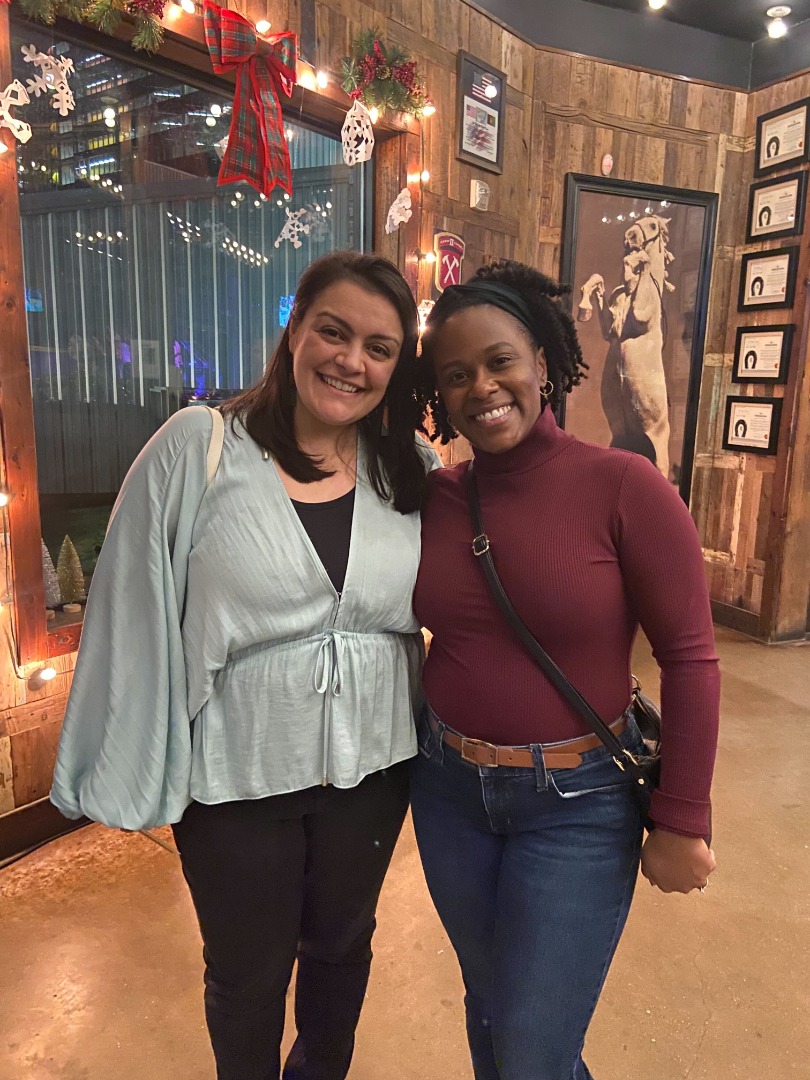
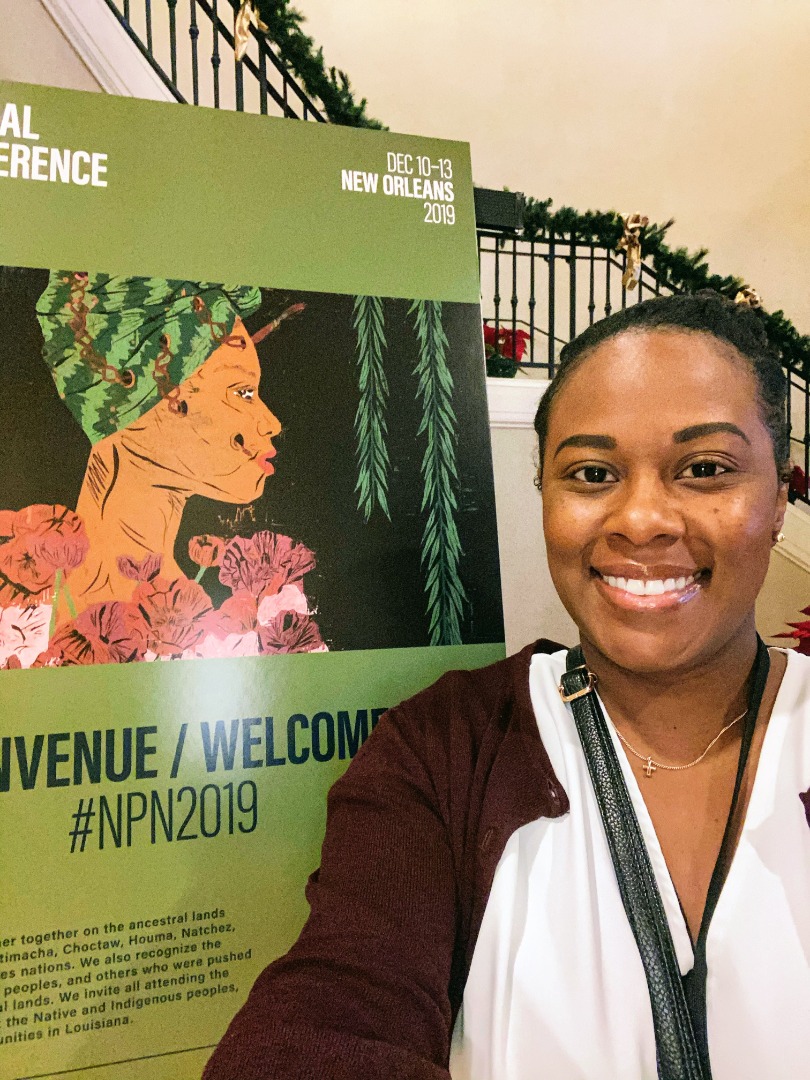
That was Monica. She had a way of cutting straight to what mattered—in conversation, in friendship, and in her work. Those who knew her personally understood that her professional path wasn’t separate from who she was; it was an extension of it. She was, by nature, a guardian of culture. Fiercely proud of her Black heritage and deeply committed to truth, she brought those values into her work with intention. For Monica, data was a way of bearing witness to communities; of making their experiences legible to the people with the power to act on them.
Monica joined SMU DataArts a little over seven years ago in a programming role, where she was responsible for conducting training sessions for users of the Cultural Data Profile and facilitating gatherings for arts leaders to leverage data-driven insights in their own communities. Training was detail-oriented work—learning the material, mastering the terminology, and helping organizations make sense of their data. The facilitation work required something different: flexibility, empathy, and the ability to create space for honest conversation. Through both, Monica nurtured meaningful relationships with arts leaders across the country. Katie Ingersoll, who trained Monica in those early days, remembers:
“She was nervous at first (as was I when I first started learning it) but did great of course. I think about how much effort she put into learning our presentation style back then—information dense and didactic—and how she really helped us grow as an organization in terms of how we work with people over the years.
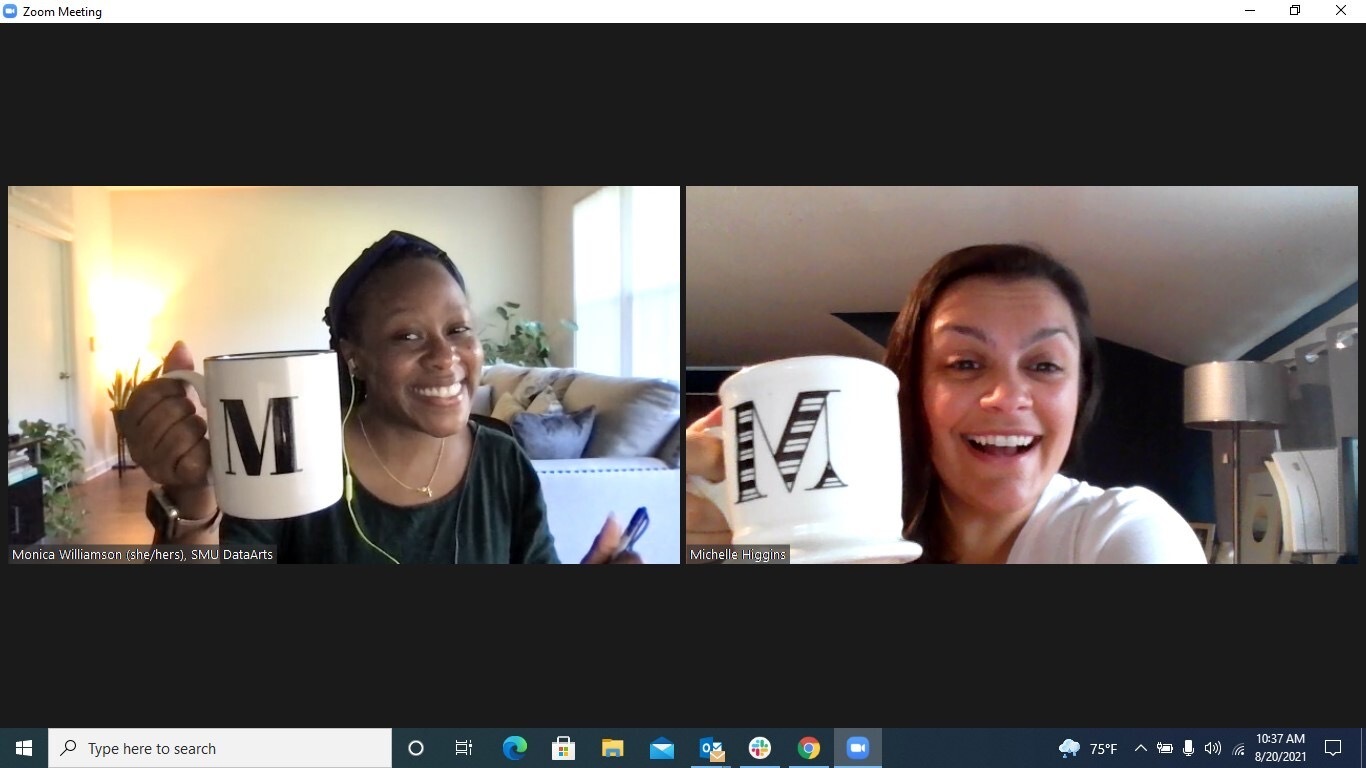
When the pandemic reshaped how SMU DataArts engaged with its community, Monica’s role expanded with it. Virtual programming moved to the forefront, and Monica increasingly became the face of the organization—hosting and moderating sessions, anchoring the kind of human presence that can be hard to sustain across a screen. Monica had a gift for creating the conditions that allowed people to feel comfortable enough to learn. It was quiet work in many ways, but it left a mark. As Jen Benoit-Bryan, Director of SMU DataArts, put it: "Monica has been the warm and engaging face of DataArts for so many people who connect with us online. She balanced warmth and professionalism so well, and we all learned from her example."
In the years that followed, Monica’s work deepened in a different direction. She began conducting qualitative research, leading one-on-one interviews with partners and clients to capture what numbers alone rarely can—the lived experiences behind the data. For projects like those with the Black Trustee Alliance for Art Museums and Allen Family Philanthropies, that work was essential. Diane Jean-Mary of Black Trustee Alliance put it simply:
“She turned what is normally a tedious part of our jobs into a genuinely joy-filled experience. She brought deep passion to every conversation. While I know our work together was just a small part of her world, I feel honored to have witnessed the type of person she was—a ray of light that helped so many shine bright.”
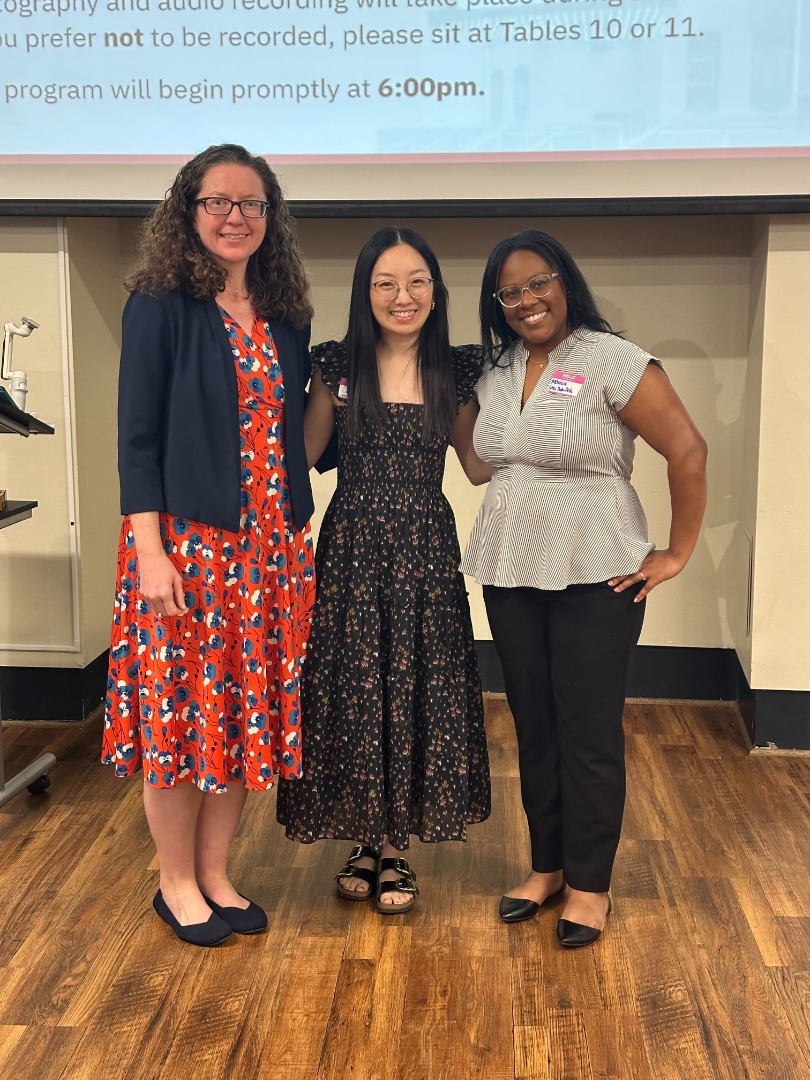
Monica was also a connector in the most literal sense; she was the person who made sure the right people were in the right room at the right time. She played a central organizing role in a recent on-campus lecture last October and later supported the Fresh Arts Greater Houston Survey Town Hall, where her imprint extended well beyond logistics. Angela Carranza of Fresh Arts recalls, “she made such a meaningful impression in a short amount of time.”
In her final months, one project in particular had Monica’s full attention: this year’s lecture on city arts ecosystems, which she was coordinating with real excitement. The SMU DataArts team intends to see it through—and from now on, it will carry her name. This November, it becomes the first annual Lewis Lecture.
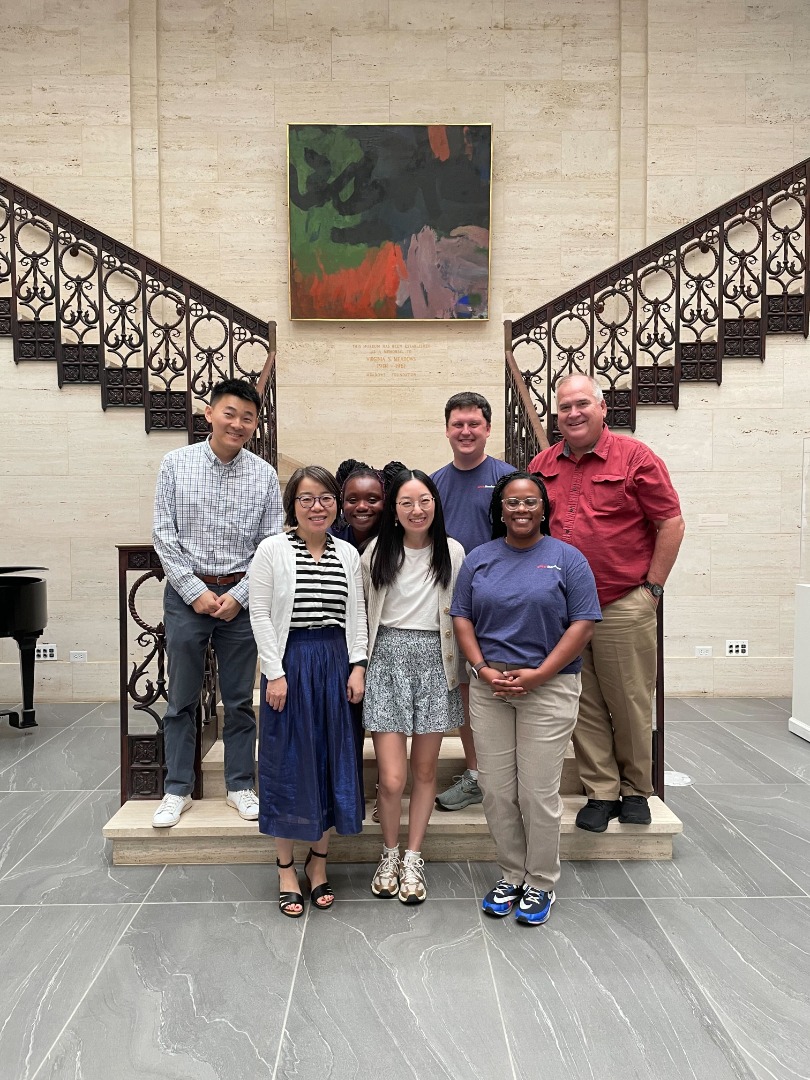
Monica leaves behind a team that is still learning what it means to do this work without her. She was, in so many ways, a critical nexus of communication—between the organization and its partners, between the data and the people it represents, between colleagues who became more confident in their jobs because she was in the room. That kind of presence doesn’t have a title. It doesn’t always show up in a project report. But everyone who worked alongside Monica felt it, and everyone is feeling its absence now.
In the months ahead, SMU DataArts will honor her memory in lasting ways. If you had the privilege of knowing Monica and would like to share a memory, we would be grateful to pass it along to her family. Share your story by emailing Liz Quinn at lquinn@smu.edu.
You may also read Monica’s obituary through Golden Gate Funeral Home.